
A Life at the Bench
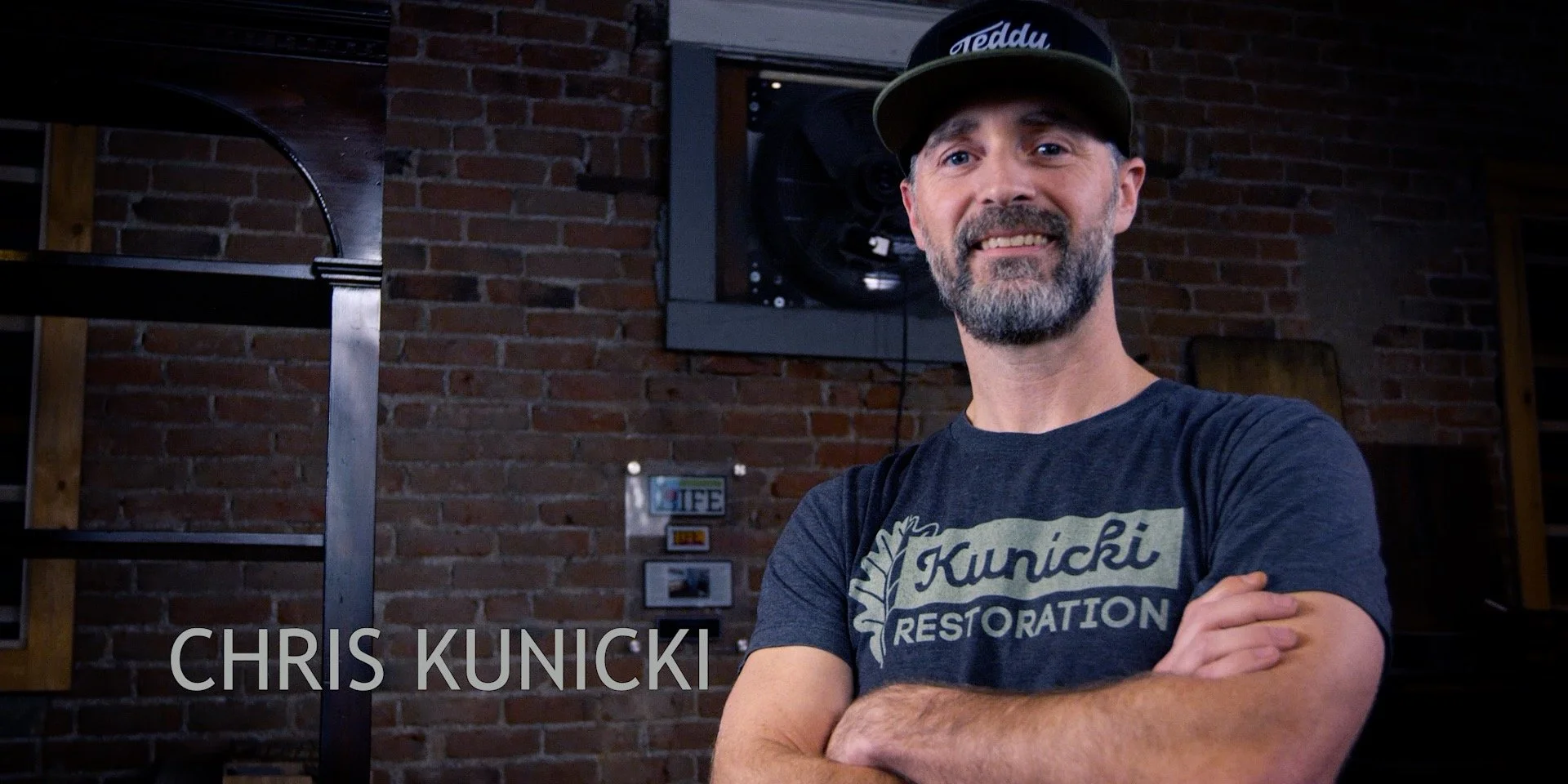
I’ve spent more than 26 years working with furniture. What began as a trade slowly became a craft—and eventually, a way of life.
Today, every piece that enters my workshop is still handled by me personally, with the same attention to color, material, history and detail that first drew me to the work.
Learning the Craft
I started refinishing furniture while living in Breckenridge, Colorado. First came touch-up work, then repairs.
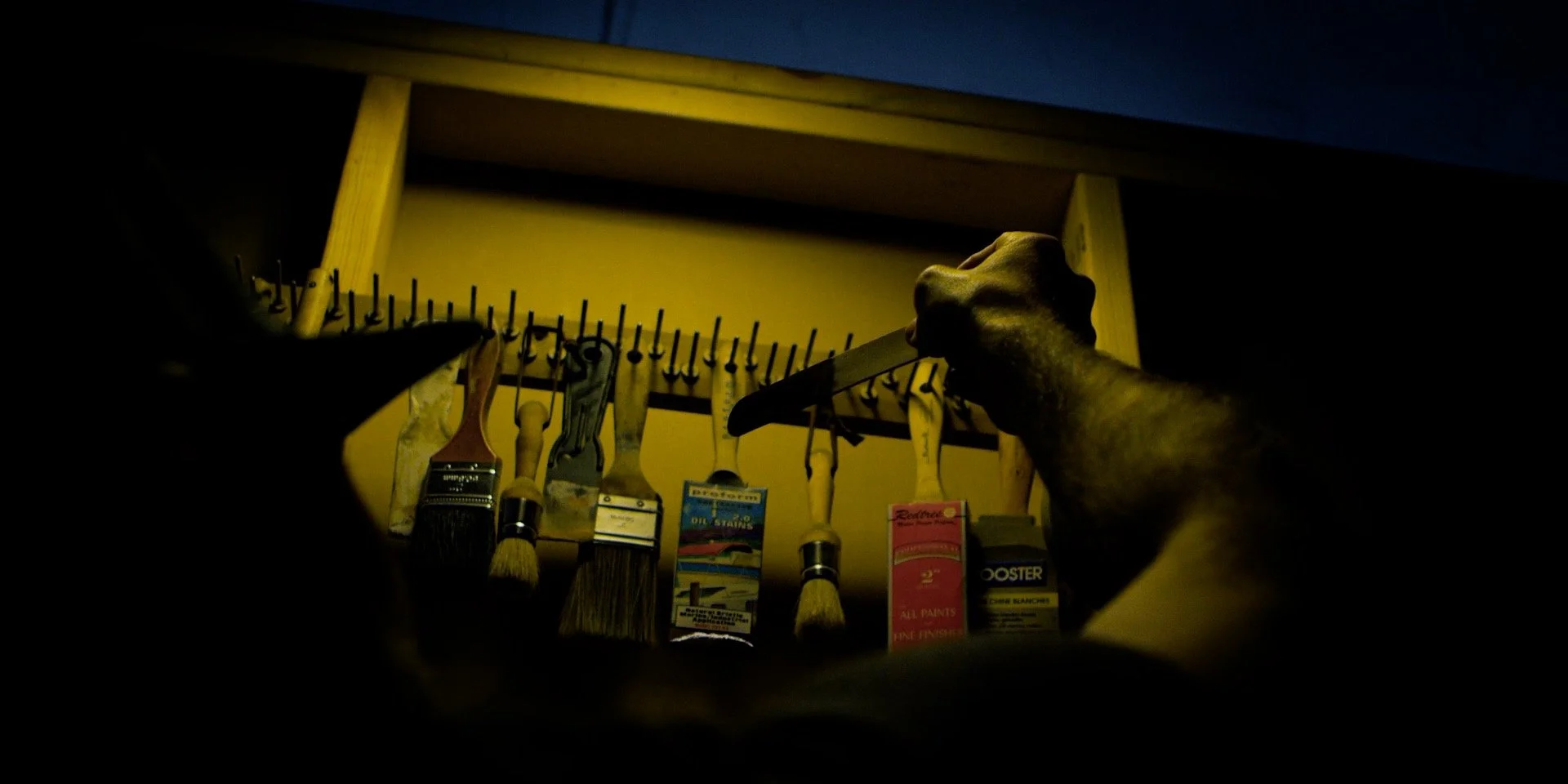
Eventually, an older craftsman named Mr. Weatherford began teaching me refinishing and color matching. He taught me to think about color through primary and secondary colors—and how seemingly unrelated colors could be used to create the match I was looking for.
That was when something clicked. I discovered I had a good eye for color and that creative work with my hands came naturally to me.
Betting on Myself
I always wanted to build something of my own. Eventually, my wife Carolyn got tired of hearing about the big dreams and, in slightly more colorful language, suggested it might be time to stop talking about them and get to work.
She encouraged me to take the best things I had learned from the shops where I worked and use them as a blueprint for something of my own.
Carolyn and I had saved a little money. I called my dad and told him what I was thinking. He offered to match what we had saved as a loan.
I started Kunicki Restoration the next day.

The Work Came Before Me
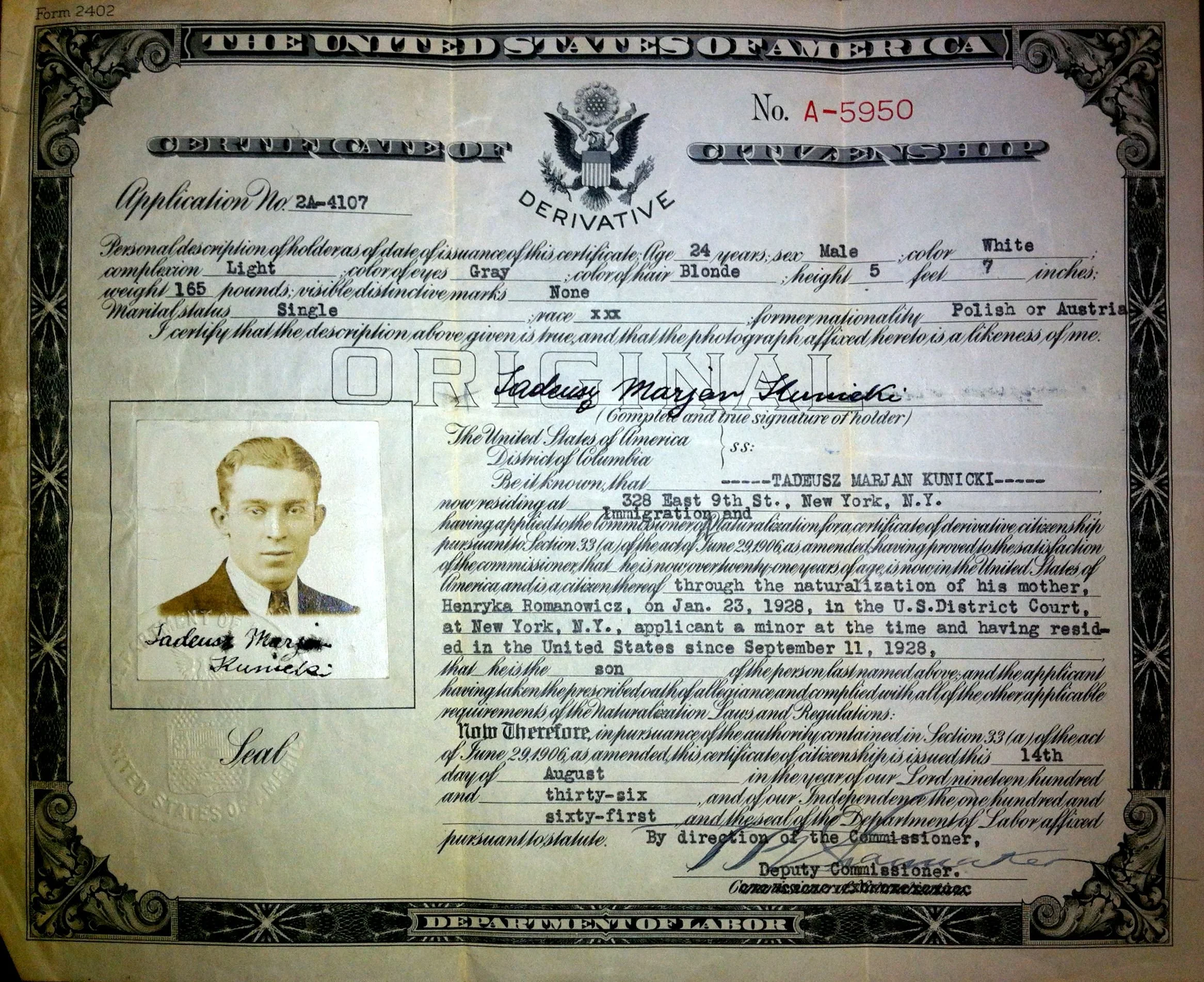
My grandfather was a tough old man—honest, hardworking and determined. He came to America from Poland and made his living as a painter.
There’s a family story about one of his first big commercial painting jobs in New York City. The contractor had purchased all the materials upfront, but when the paint arrived, he suddenly got cold feet about hiring my grandfather to do the work.
My grandfather took a hatchet to the lids of the metal paint cans and cracked them open.
“If I don’t get to work, all the paint you bought will spoil.”
The contractor handed him a brush and told him to get to work.
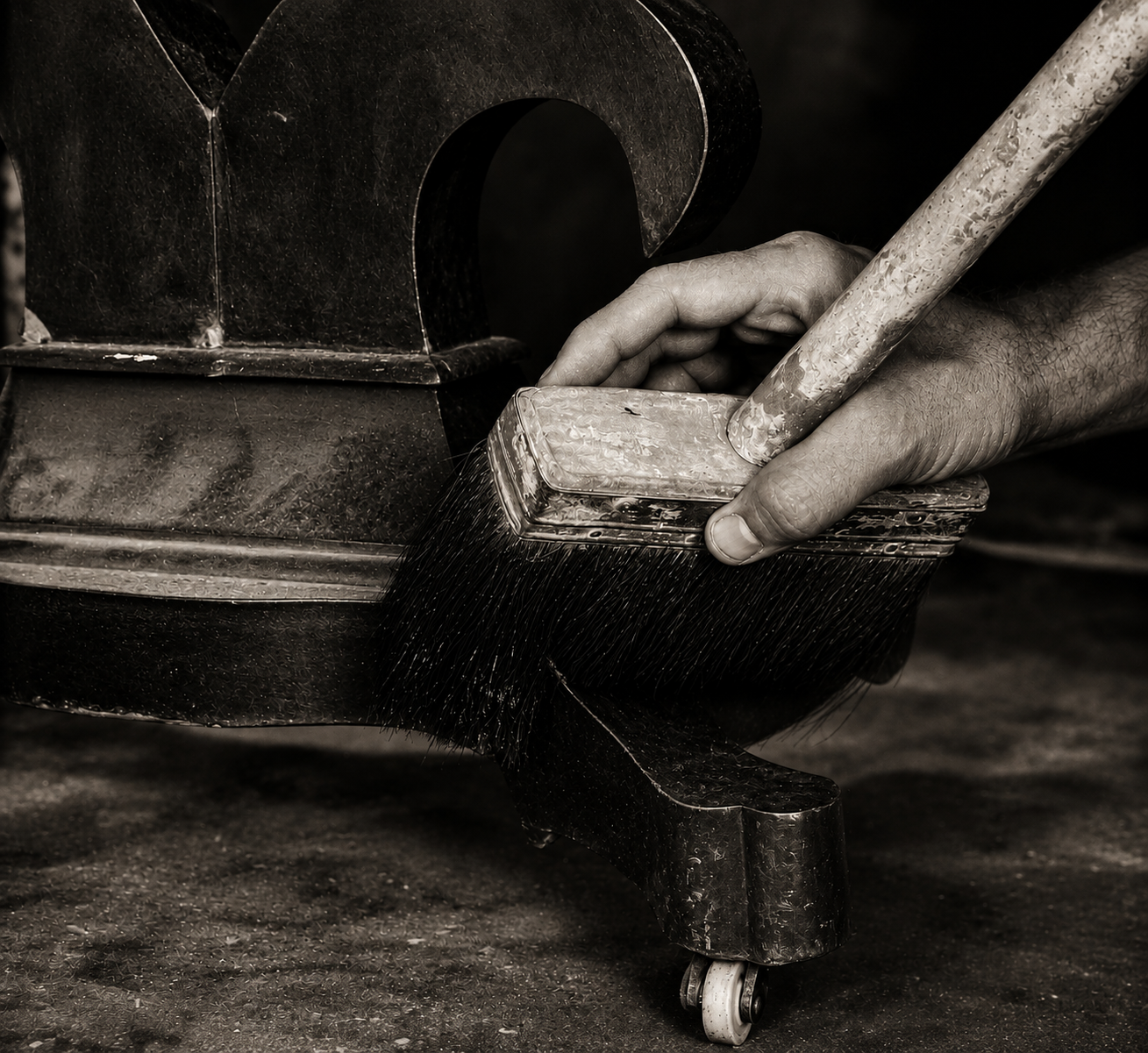
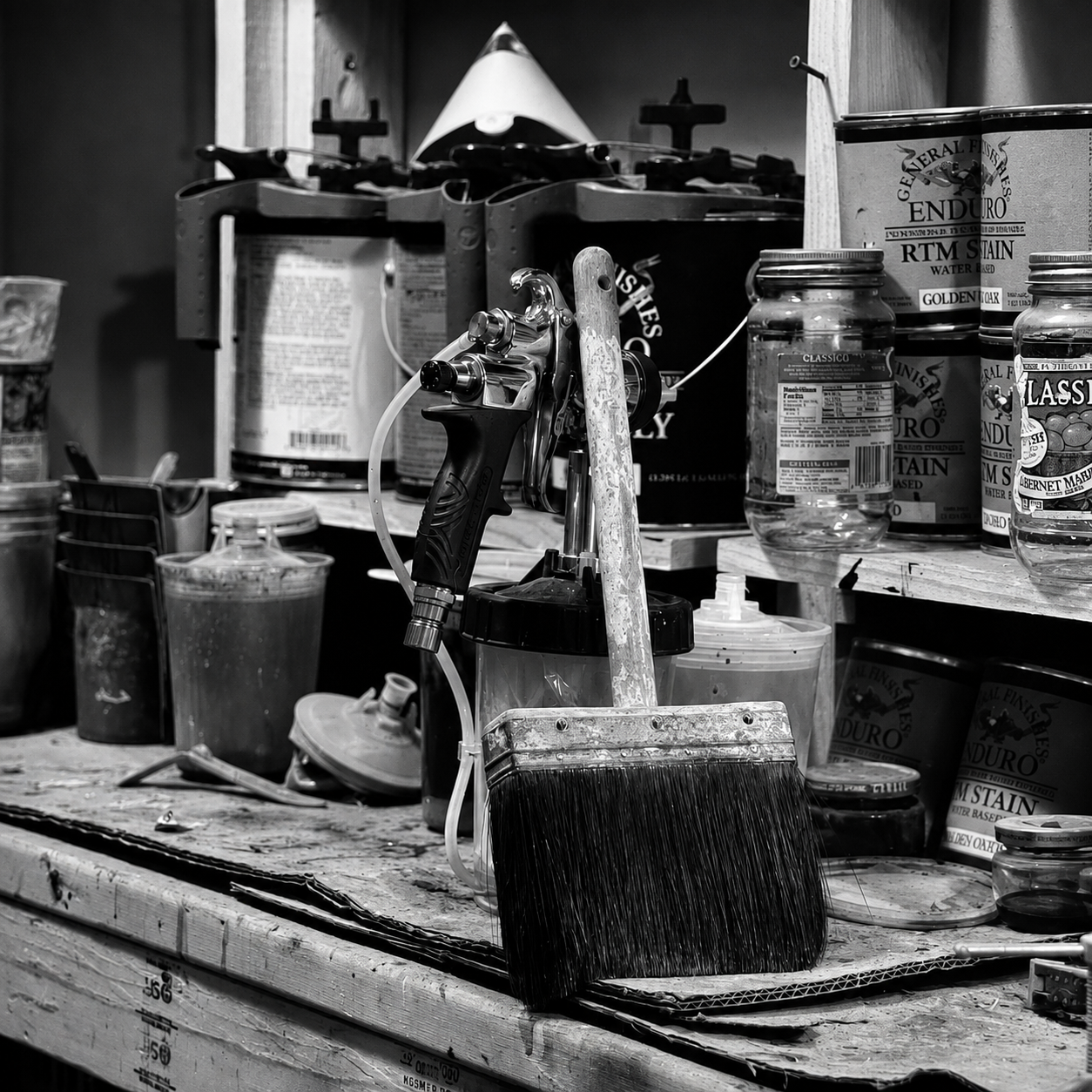
One of his brushes hangs in my workshop today.
Building the Dream
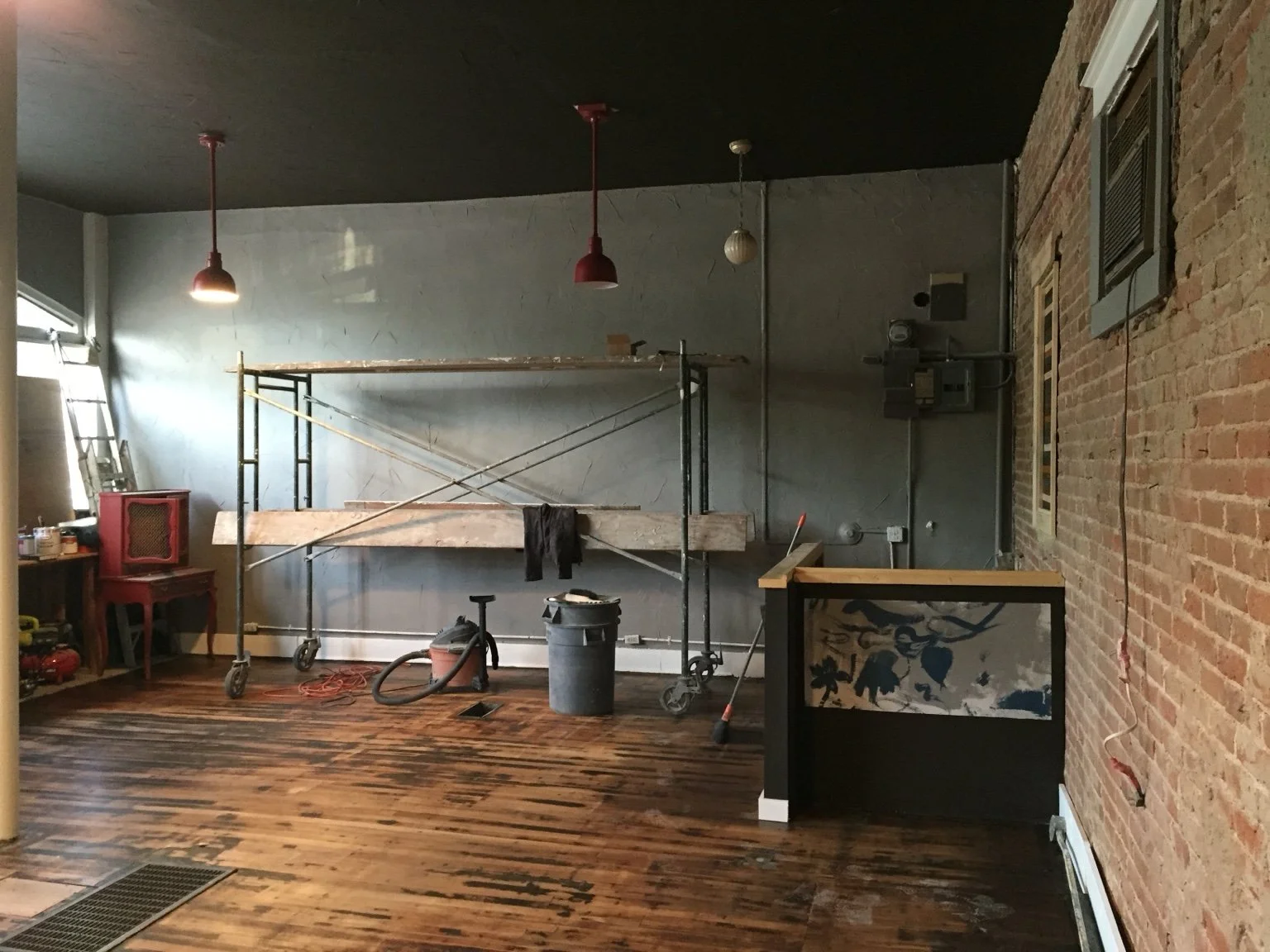
It took me nine months to build the shop.
I would work a full day at another shop, then come here at night while Carolyn and the girls were home sleeping. I exposed the brick, uncovered the old Douglas fir floors and slowly turned an old space on Colfax into the workshop I had imagined.
Hours became days. Days became weeks. Weeks became months.
I put everything I had into it—time, money and a pretty big bet on myself.
Finally, the day came when I could unlock the door, turn on the lights and flip the sign from CLOSED to OPEN.
I thought that moment would feel like I had arrived.
It didn't.
There Is No Arriving
I opened the door that first morning expecting some kind of victory. Instead of confetti falling from the ceiling, I heard crickets.
I had spent so much time learning how to build the shop that I had forgotten I now had to learn how to create the work.
But that wasn't the difficult part. I knew I could figure that out.
What caught me off guard was realizing that opening the shop didn't suddenly make me feel fulfilled. I had created this idea in my head that once I started my own business, I would finally feel like I had arrived.
I've learned there is no arriving.
For me, the better goal has become something quieter: to be content, to be grateful, to be of service—and to keep doing work that matters.
What the Work Has Taught Me
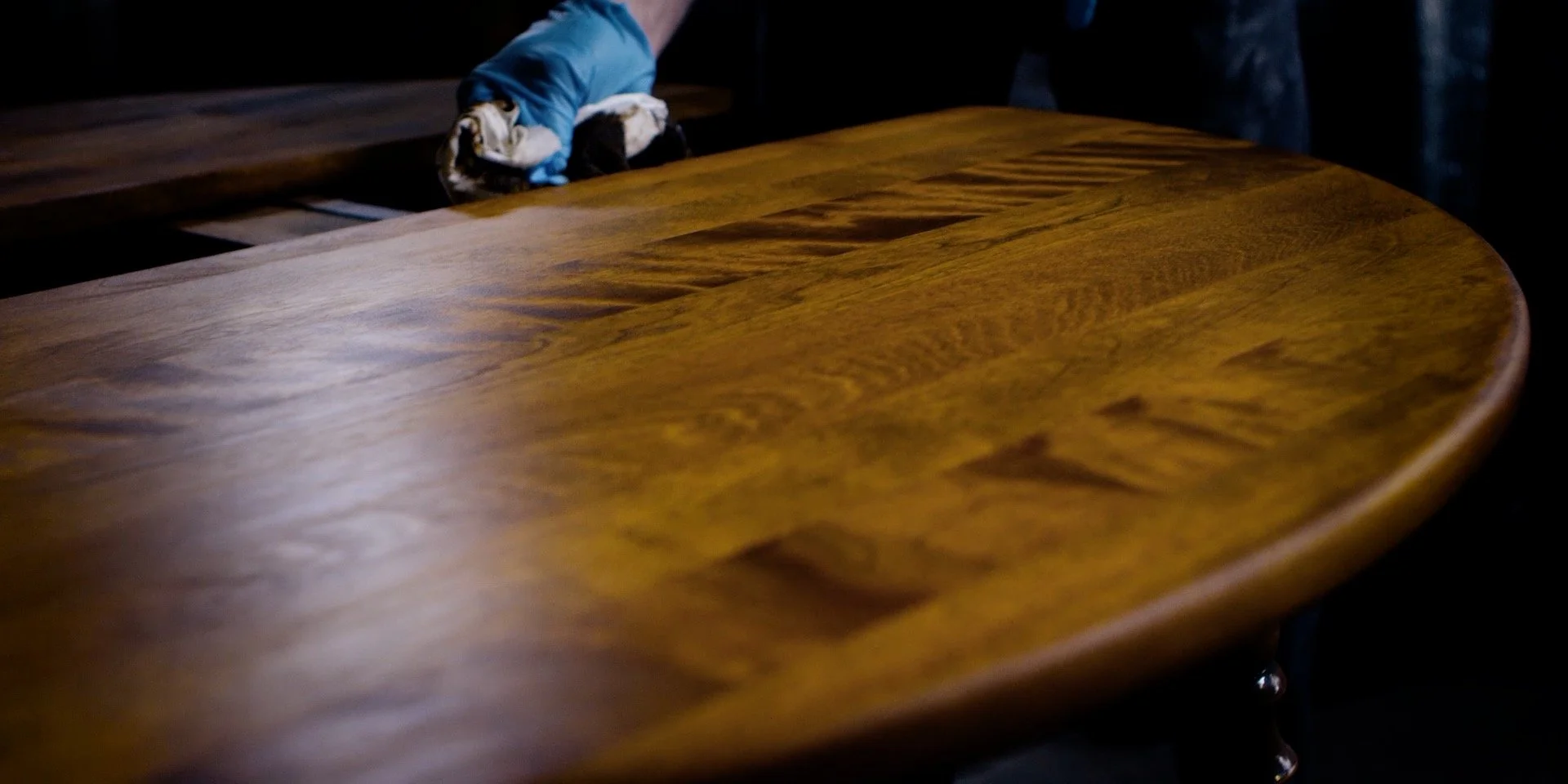
After 26 years, I’ve learned that the hardest part of this work isn’t knowing how to strip a finish, repair a veneer or match a color. It’s knowing when to stop.
Every piece is different. Some need to be completely refinished. Others need a much lighter hand. A crack, a worn edge or a mark left by time isn’t always something that needs to disappear.
The craft is knowing what to preserve, what to repair, and what to leave alone.
I don't want to make furniture look new. I want to make it worth keeping.
Have a piece worth preserving?
Every piece has a story. I’d be honored to help you continue yours.